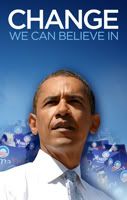
- This election was a vote for change. Iraq was certainly an issue, but so was the way Washington works.
- Concern about the economy was an issue, with many Americans concerned that the American dream is at risk.
- The Republicans push on security late in the election was stalled by the Foley scandal.
- The winning slogan was, "Had enough?"
- A second big theme in this election was that message beat mechanics. In 2004 both parties succeeded in voter turnout, but Republicans beat the Democrats on message. This year, again both parties succeeded in mobilization, but the Democrats won on message.
- Who delivers the message matters. Those who won came across as authentic outsiders. This gave Democrats an edge, since it's hard for incumbents to run as outsiders.
- This was also the "year of the woman leader." In addition to Nancy Pelosi, this election cycle will see the first woman head of the National Governor's Association, and the First Chief Justice of the Alabama Supreme Court.
- The last point is that the battlefield expanded. Demographically, Democrats made gains with rural voters, won Catholics, and tied married women. Seniors, once considered reliably Democratic, are now in play.
- Long term trends favor Democrats. Single voters, both men and women, have voted Democratic for the last two elections.
- 69% of Latino voters voted Democratic.
- Young voters, who were the most Democratic group in 2004, were again in 2006, voting Democratic by margins from 15-22%.
- Governors will make a big difference in the presidential elections, since governors control the state parties and define policy within a state.
- This was not a conservative wave, as some have stated. It was a pragmatic wave. Many of the incoming candidates are "quite progressive, but they are pragmatists." Tester's slogan when he ran the Montana State Senate was "we'll get 'er done."
- Voters voted on referenda in progressive ways, too, increasing the minimum wage, and passing stem cell research.
- Some Democrats coming in are pro-life, but more Republicans leaving were pro-life. Some of the seats gaining pro-choice Democrats haven't supported that position for 10-15 years.
There is a great deal of nervousness among pundits and party loyalists on both sides that the Democrats not be perceived to swing too far to the left. By emphasizing that the voters "fired the Republicans, they didn't hire the Democrats," they hope to dampen the expectations of the left wing that this election represents a mandate for a more liberal platform.
It's easy to understand why party operators who watched Newt Gingrich self-destruct over the Clinton impeachment would want to avoid making the same error. But make no mistake, voters supporting Democrats this fall were also expressing outrage over the corruption of the entire Washington political machine. Here's the difference. All the polls prior to the 1998 election suggested that the majority of Americans wanted to put Monica and the little blue dress behind them, and get on to matters of more vital concern to the affairs of a nation. Polls prior to this year's election suggest that corruption was a motivating factor for those voting Democratic. Republicans made a great effort to inform voters that Pelosi's leadership would result in endless investigations and subpoenas, and voters still gave Democrats the House by a wide margin. It's hard not to read that as a mandate for oversight and accountability.
Does that mean impeachment? No, that means the public expects Congress to convene hearings and conduct due diligence to determine where the train went off the track, and take corrective action. The public's outrage over President Bush's executive overreach has muted to a slow burn. It will take some fairly damning new revelations to push that sentiment far enough to call for the ouster of a sitting president. But given the excesses to which this administration has gone to thwart any accountability, and surely there is a reason for the extraordinary amount of secrecy with which they have conducted their affairs, you can guarantee we haven't seen the last indictment. How well the President and Vice President have protected themselves from any fallout remains to be seen.